




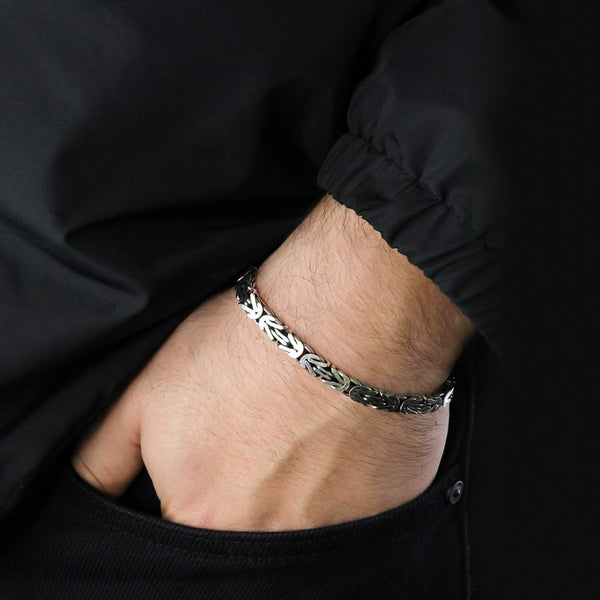




How to Identify Real 925 Sterling Silver Without Getting Scammed
Buying silver jewellery sounds simple until you realize how many fake “925 sterling silver” products are being sold online today. From marketplaces to social media stores, many sellers advertise jewellery as real silver even when it’s only silver-plated or made from cheap mixed metals.
The problem is that fake silver jewellery often looks almost identical to genuine sterling silver. Many buyers only discover the truth after the jewellery starts fading, turning green, causing skin irritation, or losing shine within weeks.
If you want to avoid wasting money and learn how to identify authentic 925 sterling silver properly, this guide will help you understand the real signs, simple at-home tests, and smart buying tips every jewellery buyer should know.
What Does 925 Sterling Silver Actually Mean?
The “925” stamp on jewellery means the piece contains:
- 92.5% pure silver
- 7.5% other metals (usually copper)
Pure silver by itself is too soft for daily jewellery, so other metals are added to improve strength and durability. This mixture is known as sterling silver.
Authentic sterling silver jewellery usually includes markings such as:
- 925
- S925
- Sterling
- Sterling Silver
You’ll commonly find these stamps:
- Inside rings
- On necklace clasps
- Behind earrings
- On bracelet hooks
Why Fake 925 Silver Jewellery Is So Common
Silver jewellery is extremely popular because it looks luxurious without being as expensive as gold or platinum. Because of this demand, many sellers use:
- silver-plated metals
- nickel alloys
- stainless steel
- cheap mixed materials
and market them as genuine sterling silver.
Some fake jewellery even includes fake “925” stamps to trick buyers.
That’s why checking the hallmark alone is not always enough.
1. Check the 925 Hallmark Carefully
The first thing you should always do is inspect the hallmark stamp.
Signs of a Real Hallmark
- Clear engraving
- Neat lettering
- Professional finish
- Proper placement
Red Flags
- Blurry markings
- Uneven numbers
- Misspelled words
- No hallmark at all
Authentic sterling silver usually has a clean and detailed stamp rather than rough engraving.
2. Try the Magnet Test
One of the easiest home tests is using a strong magnet.
Real Sterling Silver
Silver is not strongly magnetic.
Fake Jewellery
If the jewellery strongly sticks to the magnet, it may contain cheap metals instead of real silver.
Keep in mind:
Some fake metals are also non-magnetic, so this test should not be your only method.
3. Look for Natural Tarnishing
Many people think tarnishing means silver is fake, but the opposite is often true.
Real sterling silver naturally reacts with air and moisture over time, creating slight darkening or black marks. This is normal oxidation.
Real Silver Tarnish
- Slight dark discoloration
- Can be cleaned easily
- Shine returns after polishing
Fake Silver Problems
- Green marks
- Peeling layers
- Permanent fading
If jewellery flakes or exposes another metal underneath, it’s likely silver-plated.
4. Use the Soft Cloth Test
Rub the jewellery gently with a soft white cloth.
What Happens With Real Silver
You may notice black marks on the cloth because sterling silver oxidizes naturally.
What Happens With Fake Silver
Cheap coatings may peel or leave green residue instead.
This is one of the simplest ways to test sterling silver at home.
5. The Ice Cube Test Actually Works
Silver is an excellent heat conductor.
Place an ice cube on the jewellery.
Real Sterling Silver
Ice melts surprisingly fast.
Fake Silver
Ice melts more slowly.
This test works because silver transfers heat quickly compared to most fake metals.
6. Pay Attention to Smell
Real sterling silver usually has little to no smell.
Fake silver jewellery often smells:
- metallic
- like coins
- copper-like
Strong metallic odors can indicate low-quality alloys.
7. Be Careful with Extremely Cheap “925 Silver”
One of the biggest warning signs is unrealistic pricing.
If someone is selling:
- heavy silver chains
- large rings
- premium-looking jewellery
for extremely low prices, there’s usually a reason.
Authentic sterling silver has real market value. Quality craftsmanship and silver purity affect pricing significantly.
Cheap products often use:
- silver plating
- stainless steel
- nickel alloys
- fake hallmarks
How Online Sellers Commonly Mislead Buyers
Many online stores use misleading terms like:
- silver tone
- silver finish
- silver plated
- sterling style
These phrases do NOT always mean real sterling silver.
Always read:
- product descriptions
- material details
- customer reviews
- return policies
before purchasing.
Sterling Silver vs Silver-Plated Jewellery
A lot of buyers confuse these two categories.
Sterling SilverSilver-PlatedContains real silverThin silver coatingDurableCoating wears offHallmarkedOften unmarkedLong-lastingTemporary shineBetter for sensitive skinMay cause irritation
Sterling silver usually costs more but offers much better long-term value.
Is Tarnishing a Bad Thing?
Surprisingly, no.
Real sterling silver naturally tarnishes over time because it reacts with sulfur and moisture in the air.
In fact, jewellery that never changes color at all may sometimes be fake or heavily coated.
The important difference is:
- real silver can be polished back to shine
- fake coatings often peel permanently
Best Places to Buy Authentic Sterling Silver
To reduce the risk of fake jewellery:
Buy From
- trusted jewellery brands
- certified online stores
- reputable local jewellers
Look For
- 925 hallmark
- BIS certification
- customer reviews
- authenticity guarantees
- return policies
Avoid random sellers with no product transparency.
Tips for Maintaining Real Sterling Silver
Authentic sterling silver can last for years with proper care.
Silver Care Tips
- Store in airtight bags
- Keep away from moisture
- Avoid perfumes and chemicals
- Clean regularly
- Use polishing cloths
Good maintenance helps preserve shine and durability.
Final Thoughts
Fake silver jewellery is more common than most buyers realize, but learning a few simple authenticity checks can save you from wasting money on low-quality products.
Real 925 sterling silver offers:
- durability
- timeless style
- long-term value
- safer wear for sensitive skin
Before buying silver jewellery, always verify hallmarks, check seller credibility, and use practical authenticity tests rather than trusting product labels alone.
A little extra caution can help you invest in jewellery that actually lasts.
Frequently Asked Questions
Does real 925 sterling silver tarnish?
Yes, authentic sterling silver naturally tarnishes over time but can be cleaned easily.
Can fake jewellery have a 925 stamp?
Yes, some counterfeit products use fake hallmark stamps.
Is sterling silver good for daily wear?
Yes, 925 sterling silver is durable enough for regular use.
Why does silver jewellery turn black?
Silver reacts with moisture and air, causing natural oxidation.
How can I tell if silver jewellery is genuine?
Check the hallmark, use simple home tests, and buy from trusted sellers.
Buy smarter, avoid fake silver, and invest in genuine sterling silver jewellery that truly lasts.
Real sterling silver isn’t just jewellery — it’s timeless craftsmanship you can wear every day with confidence.


Real 925 sterling silver is more than just a fashion accessory — it’s a combination of timeless style, quality craftsmanship, and smart buying. With so many fake silver products available online today, understanding basic authenticity checks can help buyers shop more confidently and avoid common jewellery scams. Investing in genuine sterling silver means choosing durability, elegance, and long-term value over temporary trends.
Buying authentic 925 sterling silver jewellery is not just about style — it’s about quality, trust, and making smarter long-term choices. With so many fake silver products available online today, understanding hallmarks and basic authenticity checks can help buyers avoid scams and invest in jewellery that truly lasts. A little knowledge before purchasing can save both money and disappointment later.